Expert judgement
2026-10-13
Linguistic uncertainty
There is life on Mars
Impact on biodiversity is high
Vagueness: natural and scientific language allows borderline cases e.g. the number of mature plants
Ambiguity: some words have more than one meaning and it is not clear which meaning is intended e.g. cover
Underspecificity: unwanted generality in data
Linguistic uncertainty
The factory constitute a moderate risk
There is a 30% probability of rain tomorrow
Prominent in qualitative risk assessment due to the use of qualitative expressions
Can be avoided by using well defined questions, quantities and outcomes and meaningful scales
Subjective Risk Assessment
A tool from Mark and his colleagues to reduce linguistic uncertainty
SRA tool manual
Subjective Risk Assessment
Rain - There will be rain tomorrow
Space - Aliens from space will arrive to the earth in our lifetime
Trump - Trump becomes the next president of USA
Use the AUSTRALIAN SCALES!
Make judgements with single scores e.g. 3 or ranges, e.g. 2-4
Delphi process to aggregate judgements from a group of experts
Make individual judgements
Compare where there are large differences in judgements.
Discuss and resolve the reason for differences. Here is where linguistic uncertainties can be reduced.
Redo individual judgements
Aggregate the judgements
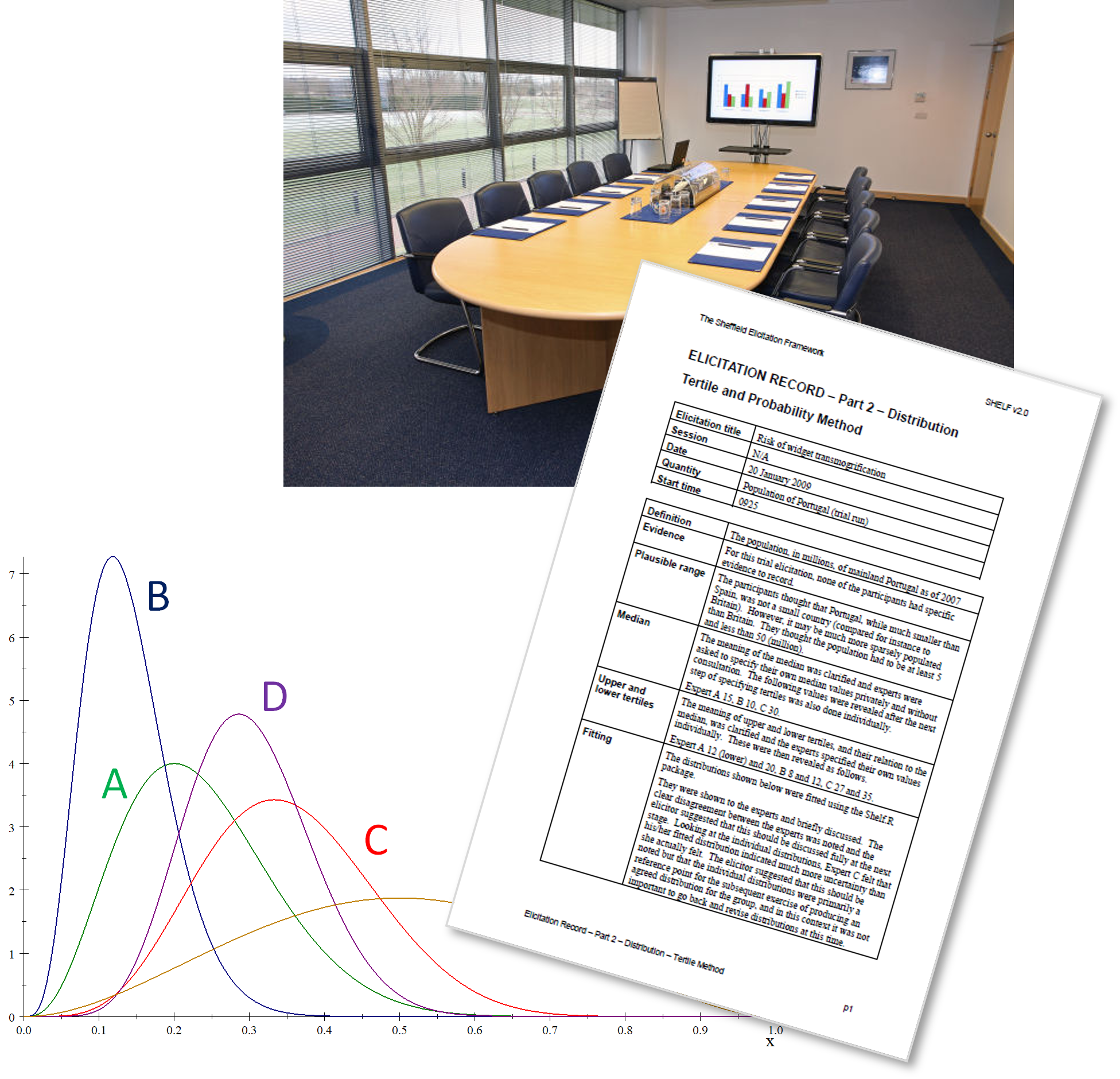
Expert Elicitation
Formal, structured approaches designed to
retrieve judgements from a group of experts by a systematic, documented and reviewable process
minimise cognitive biases
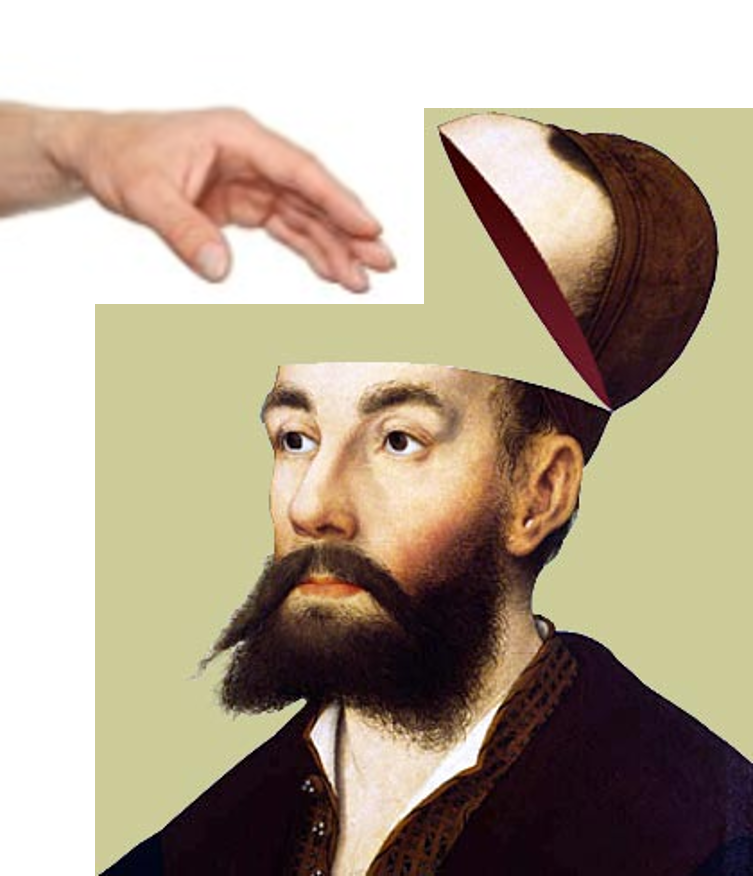
Expert knowledge elicitation
Framing
Anchoring and Adjustment
Heuristics Availability
Motivational biases
Numeracy
Group thinking
Range-Frequency
Overconfidence
Anchoring
![]()
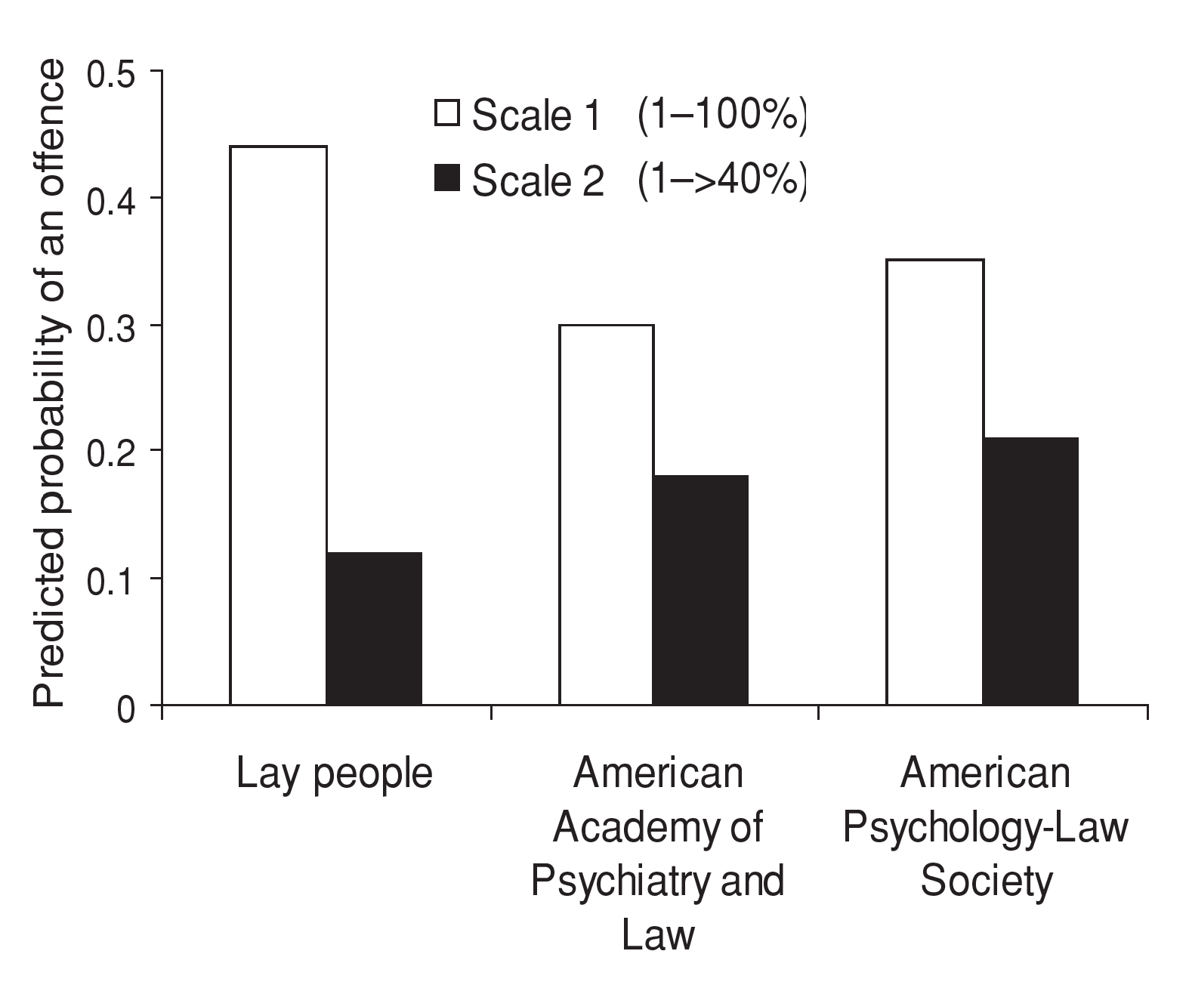
Anchoring
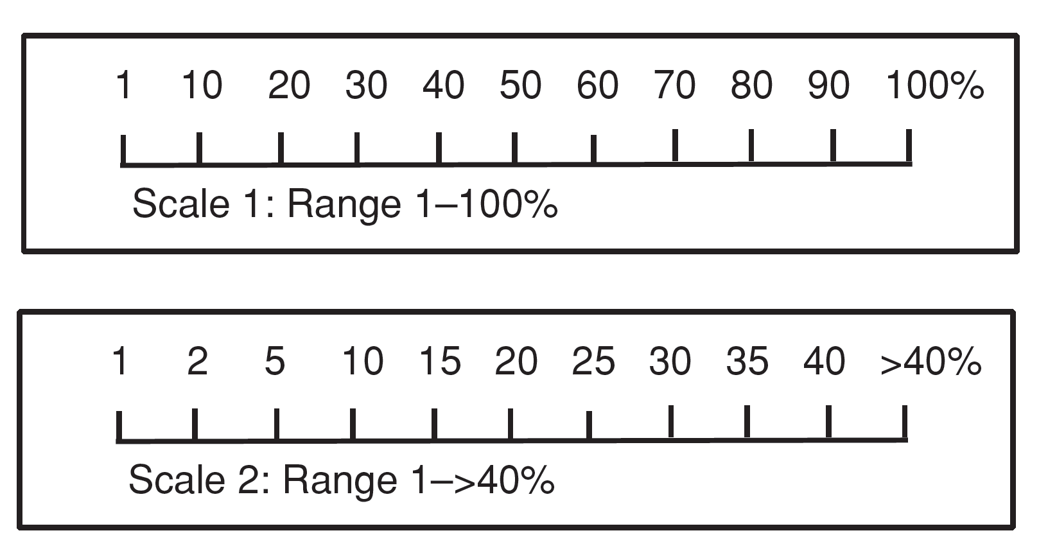
Two scales to collect judgements on the probability of an offence
![]()
Wisdom of the crowd
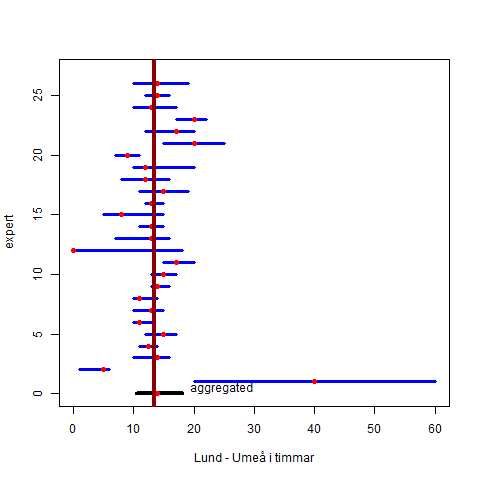
Question to students in previous class:
How long time does it take to drive from Lund to Umeå in hours?
![]()
Wisdom of the crowd
Aggregating expert judgement
Mathematical aggregation: with or without expert calibration
Behavioural aggregation: facilitated interaction
Delphi method: multiple rounds of individual judgements followed by summary of judgements after every round until convergence is obtained
Combinations of these e.g. IDEA and the SAHLIN-protocol*
*in development
What makes a good expert
- Not necessarily the most senior, high-powered or knowledgeable people
The ideal group of experts will
have sufficient diversity of experience and opinion to achieve the desired coverage, and
be willing to share their opinions and to listen to the opinions of others
What might not make a good expert
An expert who is highly-respected but is arrogant and unwilling to acknowledge any contrary opinion
A very senior person who has become a manager and lacks recent experience ‘at the coal-face’
A junior person who is unwilling to contribute their views, or who will simply defer to more senior members of the group
A representative of a stakeholder organisation who will always assert the organisation’s position
An expert whose knowledge and opinions are expected to be very close to those of another expert in the group
Question
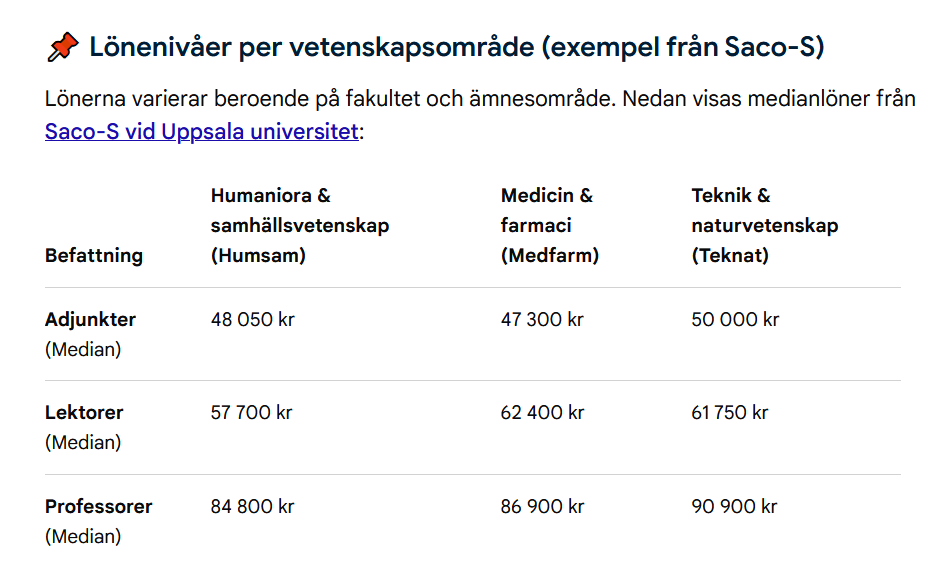
- What is Ullrika’s monthly salary right now?
Evidence dossier: